← Morocco travel journal
Blog

Traveling to Morocco During Ramadan: A Complete Guide for Visitors
Written by
Rashid
Planning a trip to Morocco during Ramadan? This holy month transforms the country into something truly special, but it requires a different approach than regular tourism. In this guide, we’ll cover what Ramadan is, how it affects travel, what to expect, and how to plan a respectful and unforgettable adventure.
What is Ramadan?
Ramadan is the ninth month of the Islamic lunar calendar, a sacred time when Muslims fast from dawn to sunset as an act of spiritual devotion and self-discipline. It lasts 29-30 days and is followed by Eid al-Fitr, a major celebration.
In 2025-2026, Ramadan dates are approximately March 1 – March 30 (dates shift each year because the Islamic calendar is lunar). Check the exact dates for the year you’re planning to visit.
During Ramadan, observant Muslims abstain from food, drink, and other physical needs during daylight hours. It’s a time of increased prayer, reflection, community, and charity. For travelers, it means Morocco experiences significant changes, some wonderful, some that require adjustment.
How Ramadan Affects Tourism in Morocco
What Changes During Ramadan
Restaurants & Food Service
- Many restaurants close during daytime hours (roughly 6 AM – 6 PM)
- Tourist-oriented restaurants and hotels stay open to serve visitors
- Iftar (the sunset meal breaking the fast) is a major social event, restaurants fill up around 6-7 PM
- Street food vendors disappear during the day but return for iftar
Business Hours
- Government offices, shops, and markets operate on reduced schedules
- Many businesses close midday or open later in the morning
- Banks and post offices keep limited hours
- Tourist attractions remain open but may have adjusted schedules
Nightlife & Social Life
- Daytime activities are quieter and less crowded
- Nighttime becomes lively, people gather after iftar to socialize, shop, and dine
- Ramadan nights are vibrant, festive, and energetic
Transportation
- Buses, trains, and taxis operate normally
- Some intercity transport may run fewer routes
- Drivers may be more fatigued (fasting + lack of sleep)
Alcohol & Dining
- Alcohol sales are restricted or banned in many areas during Ramadan
- Eating, drinking, or smoking in public during fasting hours is disrespectful (and illegal in some regions)
- Non-Muslims are exempt, but discretion is appreciated
The Upside: Why Some Travelers Love Ramadan in Morocco
- Fewer tourists, significantly fewer crowds in popular spots
- Lower prices, hotels and tours often offer discounts
- Authentic experience, you see Morocco as Moroccans live it, not as a tourist destination
- Festive atmosphere, markets, medinas, and streets buzz with energy after sunset
- Spiritual beauty, witnessing community prayer and the Ramadan spirit is moving
- Ramadan markets, special night bazaars sell traditional foods, crafts, and decorations
Practical Tips for Visiting Morocco During Ramadan
Before You Go
- Check the exact dates, Ramadan dates change yearly. Confirm 2-3 months before your trip.
- Book accommodation early, hotels fill up; some budget accommodations may close
- Inform your tour company, if booking a Sahara or mountain tour, let them know it’s Ramadan
- Research your destination, different regions handle Ramadan differently (Marrakech is more tourist-friendly than rural areas)
- Plan flexible activities, have backup plans if restaurants or attractions have unexpected closures
During Your Visit: Respect & Etiquette
In Public
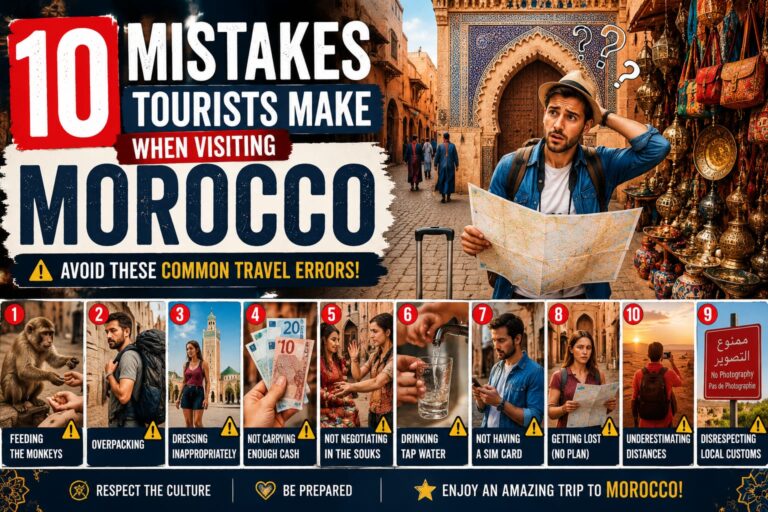
- Don’t eat, drink, or smoke openly during fasting hours (dawn to sunset)
- If you’re thirsty or hungry, eat/drink discreetly in your hotel or a tourist restaurant
- Dress modestly (loose clothing, covered shoulders/knees), this is always respectful in Morocco, but especially during Ramadan
- Be mindful of prayer times, people step aside to pray; don’t block mosque entrances
In Restaurants
- Tourist restaurants serve food during the day; non-Muslims dining there is normal
- After sunset (iftar, around 6-7 PM), join locals in celebration, it’s welcoming and festive
- Ramadan iftar feasts are generous and delicious, a highlight of the month
- Tipping servers who are fasting is appreciated
In Markets & Shops
- Morning shopping is slow; afternoon can be quieter; evening is bustling
- Prices may be slightly higher due to limited trading hours
- Haggling is still expected, but respect the merchants’ fatigue during fasting hours
- Many souvenirs and crafts are available, especially at night markets
Photography
- Ask before photographing people, especially during prayer
- Respect mosque interiors, photography may not be allowed
- Photographing iftar meals and community celebrations is usually fine with permission
Where to Stay
Best Bets for Ramadan Tourism
- Marrakech, very tourist-friendly; hotels and restaurants cater to visitors
- Fes, medina is lively at night; more traditional Ramadan experience
- Essaouira, coastal charm, good restaurant availability
- Casablanca, modern city with abundant tourist services
Less Ideal During Ramadan
- Remote villages, limited food availability for non-fasting travelers
- Small guesthouses in rural areas, many close during Ramadan
- High Atlas mountain villages, reduced services
Tour Planning During Ramadan
Desert & Sahara Tours
- 3-5 day tours are possible but require planning
- Your guides and drivers are fasting; they’ll be professional but may move slower
- Camps provide food and water for non-fasting guests
- Book with experienced companies like Morocco Sahara Adventure that understand Ramadan logistics
- Tours are quieter, fewer other tourists in the desert
Mountain & Valley Tours
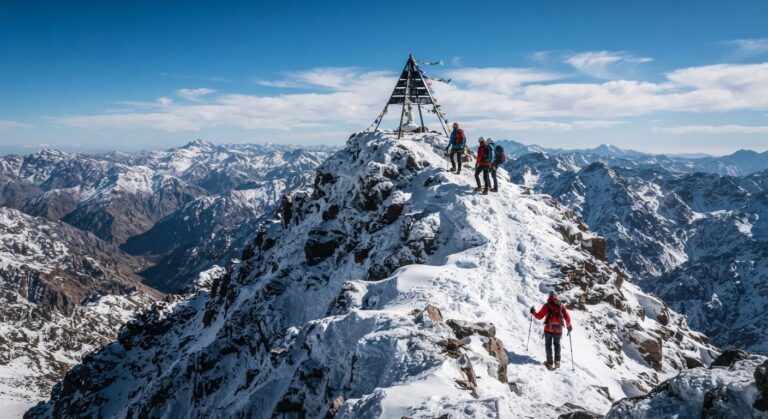
- Ourika Valley, Atlas Mountains, and gorge hikes are still beautiful and less crowded
- Smaller villages may have limited restaurant options; bring snacks
- Guides handle logistics; you focus on the experience
City Tours & Cultural Experiences
- Guided medina tours are excellent during Ramadan, guides share cultural context
- Visit mosques respectfully (remove shoes, dress modestly)
- Attend an iftar dinner, an incredible cultural experience
- Evening bazaars and markets are perfect for shopping and people-watching
Food & Hydration
During Fasting Hours (6 AM – 6 PM)
- Tourist restaurants in hotels are open and serve regular meals
- Eat discretely; don’t eat openly in front of fasting locals
- Bring snacks and water for excursions (don’t drink visibly in front of fasting people)
- Street food vendors are absent during the day
After Iftar (6 PM – Dawn)
- Restaurants open and fill with families and friends
- Join locals for iftar, it’s welcoming and festive
- Try traditional Ramadan dishes: harira (lentil soup), pastilla, dates, fresh juices
- Evening meals are abundant and generous
- Night markets sell fresh pastries, sweets, and traditional treats
Practical Advice
- Eat hearty breakfasts before dawn (if available at your hotel)
- Stay hydrated at night and during evening activities
- Avoid heavy alcohol consumption, it’s disrespectful and culturally inappropriate
- Dietary restrictions? Inform your hotel/tour company in advance
What to Expect: A Day in Morocco During Ramadan
Morning (6 AM – Noon)
- Fewer people on streets; medinas are quieter
- Some shops open, but many don’t until mid-morning
- Tourist attractions and museums operate normally
- Breakfast available at hotels and tourist restaurants
- Perfect time for quiet exploration or rest
Afternoon (Noon – 5 PM)
- Streets are even quieter as people rest at home
- Many businesses closed; markets mostly inactive
- Extreme heat (especially in summer), most locals rest indoors
- Tourist restaurants open; some cafes operate
- Good time for museum visits, relaxation, or preparation for evening
Evening & Night (Sunset – 11 PM+)
- Iftar call to prayer (Maghrib) signals the end of fasting
- Streets instantly fill with energy, people head to restaurants and markets
- Iftar feasts begin, restaurants overflow, families gather
- Night bazaars open with food vendors, crafts, and celebrations
- Markets buzz with shopping and socializing
- This is when Morocco truly comes alive
Late Night (11 PM – 2 AM)
- Young people and night owls continue celebrations
- Some restaurants and cafes stay open late
- Street food vendors operate
- Taraweeh prayers (special Ramadan prayers) happen late evening in mosques
Special Ramadan Experiences Not to Miss
Iftar Dinner
Book an iftar meal at a local riad or restaurant. Sharing the sunset meal with a Moroccan family or in a communal setting is profoundly moving and delicious.
Ramadan Night Markets
Lalla Takerkoust Markets in Marrakech and night souks in Fes are magical, filled with food, crafts, and festive energy.
Mosque Visits
Visit a mosque during evening prayers (with appropriate dress and respect). The spiritual atmosphere is powerful.
Harira & Dates
Try harira (traditional lentil soup) and fresh dates at iftar, iconic Ramadan flavors that break the fast.
Taraweeh Prayers
If interested, attend evening taraweeh prayers in a mosque. The rhythmic recitation of the Quran is beautiful (non-Muslims can observe respectfully).
Common Concerns, Addressed
“Will I be hungry during the day?”
Tourist restaurants stay open. You won’t go hungry, but eat discreetly.
“Is it safe to travel during Ramadan?”
Yes. Morocco is safe during Ramadan. Just be respectful of the cultural and religious practices.
“Will attractions be closed?”
Most tourist attractions stay open, though hours may vary. Check ahead.
“Can I still book a desert tour?”
Absolutely. Tours operate during Ramadan with proper planning. Book with experienced companies.
“Is it hotter during Ramadan?”
Ramadan dates shift yearly. Sometimes it’s summer heat (hot); sometimes it’s spring/fall (mild). Check the year’s dates.
“Will I enjoy Ramadan or will it be awkward?”
Many travelers say Ramadan is their favorite time to visit, authentic, festive, and respectful.
Ramadan vs. Regular Tourism: A Comparison
| Aspect | Regular Season | Ramadan |
|---|---|---|
| Crowds | Busy, especially peak season | Significantly fewer tourists |
| Prices | Standard rates | Often 10-20% discounts on tours |
| Restaurant Hours | 24/7 tourist options | Limited daytime; bustling after sunset |
| Nightlife | Varies by season | Very lively and festive |
| Authenticity | Tourist-oriented | Deep cultural immersion |
| Shopping | All day | Limited day; active evenings |
| Spiritual Atmosphere | Normal | Heightened sense of community |
| Guides & Services | Full energy all day | Professional but fatigued during day |
Ready to Experience Ramadan in Morocco?
Ramadan is a transformative time to visit Morocco, quieter, more authentic, and genuinely special. With respect, planning, and flexibility, you’ll witness Morocco at its most spiritual and communal.
Whether you want to explore Marrakech’s medina after sunset, experience a Sahara desert camp during Ramadan, or trek through the Atlas Mountains with fewer crowds, Morocco Sahara Adventure can help you plan an unforgettable Ramadan adventure.
Interested in a Ramadan tour? Contact us to discuss your dates and preferences. Our guides understand Ramadan logistics and will ensure your experience is respectful, safe, and incredible.
Ramadan Kareem (Blessed Ramadan), we look forward to welcoming you to Morocco.
[…] Iftar dinners during Ramadan […]