← Morocco travel journal
Blog

Complete Morocco Travel Guide: Safety, Best Time to Visit & Packing Tips
Written by
Rashid
Planning a trip to Morocco? You’re about to experience one of North Africa’s most captivating destinations – but a little preparation goes a long way. In this guide, we’ll cover everything you need to know about staying safe, choosing the right time to visit, and packing smart for your Moroccan adventure.
Is Morocco Safe for Travelers?
Short answer: Yes, Morocco is one of the safest destinations in North Africa.
Millions of travelers visit Morocco every year without incident, and it consistently ranks as a safe travel destination. That said, like any country, smart travel practices matter.
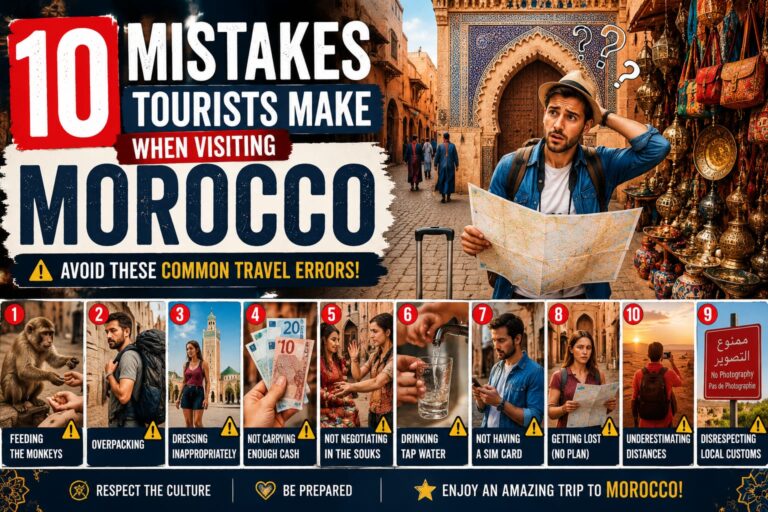
Safety Tips for Morocco
In Cities (Marrakech, Fes, Casablanca)
- Stick to main tourist areas, especially at night
- Use official taxis or ride-sharing apps (Uber, Careem) rather than flagging random cabs
- Avoid displaying expensive jewelry, cameras, or large amounts of cash
- Keep copies of your passport separate from the original
- Stay aware of your surroundings in crowded medinas (old towns) – pickpocketing can happen in dense areas
In the Desert
- Book tours with established, reputable companies like Morocco Sahara Adventure
- Your guide will handle logistics; just listen to their advice
- Desert conditions change – bring plenty of water and sun protection
- Stay close to your group during camel treks and quad rides
General Precautions
- Avoid traveling alone at night in unfamiliar areas
- Keep emergency numbers (police: 19, ambulance: 15) on your phone
- Register with your embassy before you go (optional but recommended for extended stays)
- Travel insurance is wise – it covers medical emergencies and trip disruptions
The Reality: Moroccan people are incredibly welcoming and hospitable. Most “unsafe” situations tourists encounter are minor – overeager shop owners or unofficial guides offering services. A polite “non, merci” goes a long way.
Best Time to Visit Morocco
Morocco’s climate varies dramatically by region and season. Choosing the right time means comfortable weather, better tour experiences, and often lower prices.
Peak Season: September to May
September to November (Autumn)
- Weather: 70–85°F (21–29°C) – absolutely perfect
- Why it’s best: Clear skies, ideal for desert camps and trekking
- Crowd level: Moderate to high
- Best for: Desert tours, hiking, photography
- This is when most travelers choose 3-5 day tours from Marrakech to the Sahara
December to February (Winter)
- Weather: 50–65°F (10–18°C) during the day; cold at night, especially in the desert and mountains
- Why consider it: Fewer tourists, lower prices, stunning clear days
- Crowd level: Low
- Best for: Budget travelers, those avoiding crowds
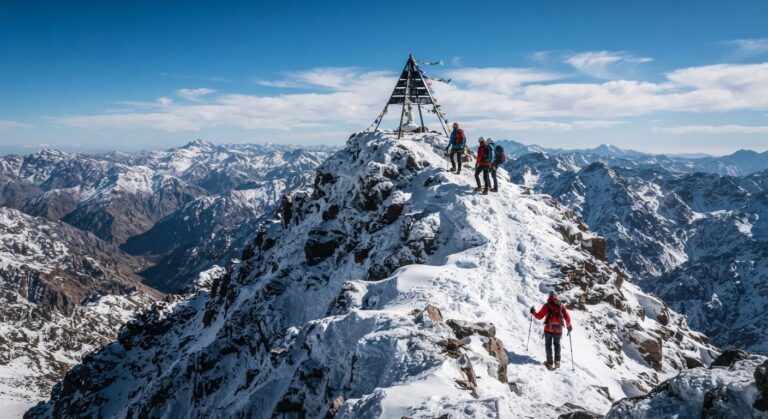
- Note: Atlas Mountains can see snow; bring warm layers for desert nights
March to May (Spring)
- Weather: 65–80°F (18–27°C) – warm and pleasant
- Why it’s best: Spring wildflowers, longer daylight, perfect hiking conditions
- Crowd level: High
- Best for: Trekking, exploring valleys like Ourika Valley, cultural tours
- Pro tip: April-May offers stunning mountain scenery with manageable crowds
Shoulder Seasons to Avoid: June to August
June to August (Summer)
- Weather: 85–104°F (29–40°C) in cities; 110°F+ (43°C+) in the Sahara
- Why to skip it: Extreme heat makes desert camping uncomfortable and potentially dangerous
- Crowd level: Extremely high (peak tourist season)
- Reality check: If you must go in summer, stay in coastal areas (Essaouira) or high-altitude locations (Chefchaouen)
Our recommendation: Book your 3-6 day Sahara tours between September and May for the best experience. Spring and fall offer the ideal balance of weather, crowds, and tour availability.
Smart Packing for Morocco
What you pack depends on when you’re visiting and what you’re doing. Here’s a region-by-region breakdown:
Essential for Everyone
- Passport & copies (keep originals and copies separate)
- Travel insurance documents
- Medications (prescription + over-the-counter for common issues)
- Phone charger (Morocco uses European 2-pin plugs; bring an adapter)
- Cash & cards (ATMs are common in cities; bring euros or dirhams)
- Comfortable walking shoes (you’ll do a lot of exploring)
For Desert Tours & Sahara Camps
- Sun protection: High-SPF sunscreen, sunglasses, wide-brimmed hat
- Layers: Lightweight long sleeves (blocks sun + provides warmth at night)
- Warm jacket or shawl: Desert nights can drop to 50°F (10°C)
- Moisture-wicking socks & closed-toe boots (for camel riding and sand)
- Headscarf or buff: Protects from sun and sand during quad/camel rides
- Toiletries in a small bag: The desert camp has limited facilities
For Mountain/Valley Exploration (Ourika, Todra Gorge, Atlas)
- Hiking boots: Essential for uneven terrain
- Moisture-wicking layers: Mountains have temperature swings
- Light rain jacket: Mountains get afternoon showers
- Hat and sunglasses: Strong UV exposure at altitude
- Plenty of water: Bring a refillable bottle (tap water is safe in most places)
For City Exploration (Marrakech, Fes, Essaouira)
- Lightweight, loose clothing: Respectful + keeps you cool
- Comfortable shoes: Medinas have cobblestone streets and stairs
- Light scarf or shawl: Useful for entering mosques or religious sites
- Crossbody bag: Keeps valuables secure in crowded areas
- Reusable water bottle: Stay hydrated while exploring
What NOT to Pack
- Heavy baggage: Riads and desert camps have stairs and limited space
- Excessive electronics: Focus on experiencing Morocco, not filming it all
- Formal clothing: Morocco is casual; leave the dress clothes behind
- Too many shoes: You’ll wear 2-3 pairs max
- Medications that require refrigeration: Limited in rural areas
Packing Pro Tips
- Roll your clothes instead of folding – saves space and reduces wrinkles
- Wear your bulkiest items on travel days (boots, jacket)
- Pack 60% of what you think you need – Moroccan markets have everything
- Bring a lightweight daypack for daily excursions (10-15L is perfect)
- Laundry services are cheap – pack less and use local laundromats
Quick Reference: What to Expect by Region
| Region | Best Months | Temperature | What to Pack |
|---|---|---|---|
| Sahara Desert | Sep–May | 70–85°F day / 45–55°F night | Layers, boots, sun protection, warm jacket |
| Atlas Mountains | Apr–Oct | 55–75°F (cooler at altitude) | Hiking boots, rain jacket, warm layers |
| Coastal Cities (Essaouira) | Year-round (best Sep–May) | 60–75°F | Light layers, windbreaker, comfortable shoes |
| Marrakech & Fes | Oct–Apr | 60–75°F; Jun–Aug 85°F+ | Loose clothing, sun protection, walking shoes |
| Ourika Valley | Apr–Oct | 60–80°F | Hiking boots, light layers, water bottle |
Ready to Experience Morocco?
The best time to visit is when you can go – but if you have flexibility, September through May gives you the ideal combination of weather, fewer crowds, and unforgettable experiences.
Whether you’re planning a 3-day desert adventure, a valley exploration, or a cultural city tour, Morocco Sahara Adventure can help you experience the real Morocco with expert local guides, authentic experiences, and personalized itineraries.
Ready to book? Check out our popular tour packages or customize your own adventure. Our team is here to answer questions and create the perfect itinerary for you.
Safe travels, and we can’t wait to welcome you to Morocco!
[…] needed: 2-3 hoursBest time: Sunset to eveningWhat to expect: The beating heart of Marrakech. Street performers, snake […]